
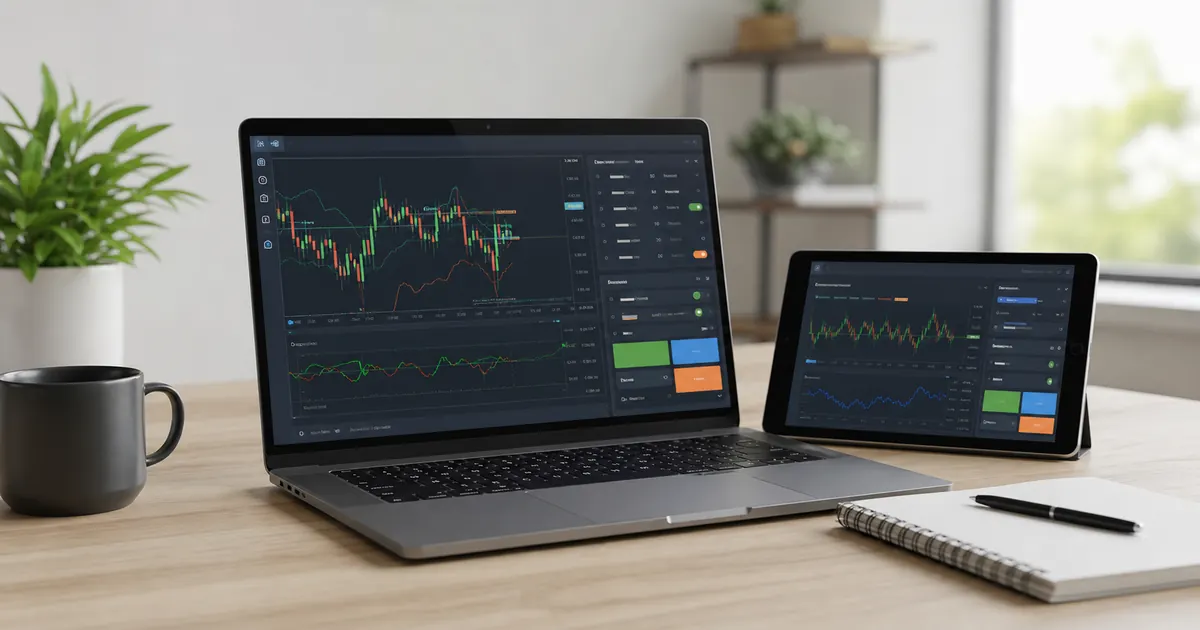
A Quotex trading bot can help a beginner follow a trading plan with more discipline, but it should never be treated like a money machine. The best Quotex trading bot for beginners in 2026 is not the one shouting the biggest win-rate number. It is the one that makes setup simple, shows why a signal appears, respects your stake size, and stops trading when the market or your account condition is no longer suitable.
Most new traders struggle because they mix too many decisions at once. They change pairs, expiry times, stake sizes, and strategies after every loss. Automation can reduce that emotional switching, but only when the rules are clear. If a bot hides its logic, enters trades too quickly, or pushes recovery betting without limits, it can make beginner mistakes faster. Your first job is to use the bot as a controlled assistant, not as a replacement for judgment.
What a beginner should look for first
Start with visibility. A reliable beginner setup should show the selected pair, current direction bias, signal strength, expiry setting, payout filter, and next allowed trade time. You should know whether the bot is waiting because the payout is too low, because a cooldown is active, or because the market condition does not match the strategy. This is important because learning happens when you can connect the signal to the chart.
The second requirement is manual control. Even if auto trading is available, you should be able to run signal-only mode first. In signal-only mode, the bot marks possible entries while you decide whether to click. This teaches you the rhythm of the tool without risking automatic overtrading. After you understand how signals behave, you can test auto execution on a demo account with the smallest available stake.
Complete beginner setup flow
Install the desktop app, open the embedded Quotex browser, log in, and choose one pair only. Do not start with ten assets. EURUSD, GBPUSD, USDJPY, or another liquid pair is easier to observe because price movement is usually cleaner than random low-volume instruments. Next, set the expiry to one timeframe and keep it unchanged for your first test session. A beginner who changes expiry after every trade cannot measure performance properly.
Now configure risk. Use a fixed stake, disable aggressive recovery, set a daily loss limit, and add a maximum consecutive loss stop. A practical beginner setting might be: stop after three losses in a row, stop after reaching a small daily loss limit, and stop after reaching a daily profit target. The exact amount depends on account size, but the principle is simple: the bot must stop before frustration starts making decisions for you.
After that, set a payout filter. Many new traders ignore payout and only look at direction. That is a mistake. If a trade offers a poor payout, your required win rate becomes higher. A bot that can avoid low-payout trades protects you from entering just because a signal exists. Waiting is a trading action too.
Why MT5 analysis helps beginners
MT5 gives you cleaner chart data and a better place to study candles, trend structure, support and resistance, and momentum. When a Quotex bot uses MT5 local analysis, the signal is based on organized market data instead of only what appears visually in the browser. This does not guarantee wins, but it makes the workflow easier to audit. You can compare the signal with the MT5 chart and ask a useful question: did the entry match the strategy rules?
Beginners should use MT5 as a learning screen. Keep Quotex open for execution and MT5 open for analysis. Mark the previous high, previous low, trend direction, and current candle behavior. If the bot gives a call signal while MT5 shows price pushing into strong resistance, pause and observe. This habit turns the bot into a training tool instead of a blind button-presser.
A 7-day demo testing plan
On day one, do not trade. Watch signals only and write down the pair, time, direction, and reason you think the signal appeared. On days two and three, use demo mode with the smallest stake and allow only a limited number of trades. On days four and five, test the same settings during different market sessions. On day six, review the logs and remove pairs or times that produced messy signals. On day seven, run one clean session with the final settings and decide whether the workflow is stable enough to continue testing.
This plan sounds slow, but it saves money. Most account damage happens when a beginner tests a new tool with real money before understanding normal behavior. Demo testing does not prove future profit, but it shows whether the bot obeys settings, whether execution is clean, and whether the strategy makes sense to you.
Common beginner mistakes
The first mistake is increasing stake after a loss. This feels logical because you want the money back, but it can quickly turn one losing idea into a damaged account. The second mistake is judging a bot after five trades. A small sample tells you almost nothing. The third mistake is running the bot during news spikes or unstable market periods without knowing how it reacts. Fast candles can make signals look attractive while execution becomes risky.
The fourth mistake is using too many indicators. A beginner may think more indicators mean more confirmation, but often they create confusion. Start with simple structure: trend, support and resistance, candle close, payout, and risk limit. If you cannot explain why a trade was taken in one sentence, the setup is too complicated.
Final checklist before real trading
- The bot has been tested in demo for several sessions.
- You understand the signal logic well enough to explain it.
- Fixed stake, payout filter, cooldown, daily loss limit, and consecutive loss stop are active.
- You know how to pause automation immediately.
- You accept that losses are normal and no bot can guarantee profit.
The best Quotex trading bot for a beginner is the one that helps you trade slower, cleaner, and with better records. If a tool makes you feel rushed, hides information, or encourages oversized recovery trades, it is not beginner-friendly. Start with demo, use MT5 for confirmation, keep risk small, and let the data from your own testing guide the next step.
Need the full workflow?
Start with referral verification, test on demo, keep risk controls visible, and use the admin dashboard to manage access cleanly.